

Understanding Childhood Apraxia of Speech: What Parents Need to Know
Childhood Apraxia of Speech (CAS) is a motor speech disorder that makes it hard for children to plan and produce clear speech. Common signs include inconsistent word production, “groping” mouth movements, and using gestures or other communication methods. The good news? With consistent, motor-based speech therapy and support at home, progress is possible. Keep practice fun, model clear speech, and celebrate small wins along the way.

Helping Your Child Move Beyond Thumb & Finger Sucking
Thumb and finger sucking is common in babies and toddlers for self-soothing, emotional regulation, and comfort, especially during stress, fatigue, or transitions.
However, when digit sucking continues past age 4 or becomes frequent and intense, it can start to affect oral development:
• Teeth misalignment or open bite
• A high, narrow palate
• Changes in tongue posture
• Mouth breathing and airway concerns
• Potential speech sound differences
When to help your child stop:
Most children naturally outgrow the habit, but support is recommended around age 4 or before permanent teeth begin to erupt (around ages 5–6).
How a myofunctional therapist can provide a compassionate plan to:
Support habit elimination without shame or punishment
Address underlying sensory or oral-motor needs
Retrain tongue posture, breathing, and swallowing for long-term success

Auditory-Verbal Therapy for Deaf or Hard-of-Hearing Children
Children who are deaf or hard of hearing—including those with hearing aids or cochlear implants—can develop strong spoken language skills with the right support. A Listening & Spoken Language (LSL) approach focuses on helping children learn through listening during everyday routines at home, school, and play.
Families play a powerful role by talking throughout the day, reducing background noise, highlighting key words, and giving children time to listen and respond. These small, consistent strategies build big language skills over time.
For school-age children, continued listening support, classroom accommodations, and collaboration with teachers help promote success in learning and communication.
✨ With early access to sound, intentional strategies, and family involvement, children who are deaf or hard of hearing can thrive in listening and spoken language.
#ListeningAndSpokenLanguage #DeafAndHardOfHearing #CochlearImplants #SpeechTherapy #EarlyIntervention #ParentSupport #SLP

“How can I help my child who stutters?”
🌟 How Can I Help My Child Who Stutters? 🌟
Stuttering can be a normal part of learning language — and there’s a lot you can do to support your child! 💬✨
✔️ It’s okay to stutter!
Show your child they are heard and valued — whether words come out smooth or bumpy.
✔️ Make stuttering easier
Slow your own speech, keep eye contact, and respond calmly. This helps take the pressure off!
✔️ Be a patient listener
Let them finish their thoughts without rushing or filling in words.
If you have concerns, early support makes a big difference. A licensed speech-language pathologist can help guide both you and your child with practical tools. 💛
🗣️ Every voice deserves to be heard — just as it is. 💪✨

“Is My Child’s Speech on Track?
Is My Child’s Speech on Track?
Ever wonder if your little one is meeting typical speech and language milestones? From first coos to full conversations, every stage of communication development matters!
Check out our latest blog post to learn what’s expected at each age—from birth to 5 years—plus tips for encouraging language growth and links to trusted ASHA resources

Tips to get Late Talkers talking!
Many parents worry when their toddler says only a few words—or none at all. If your child uses fewer than 5–10 words or is hard to understand, you’re not alone. There are simple, everyday strategies you can use to encourage language growth: expansions and extensions, parallel and self-talk, giving choices, wait time, and playing, reading and singing together!
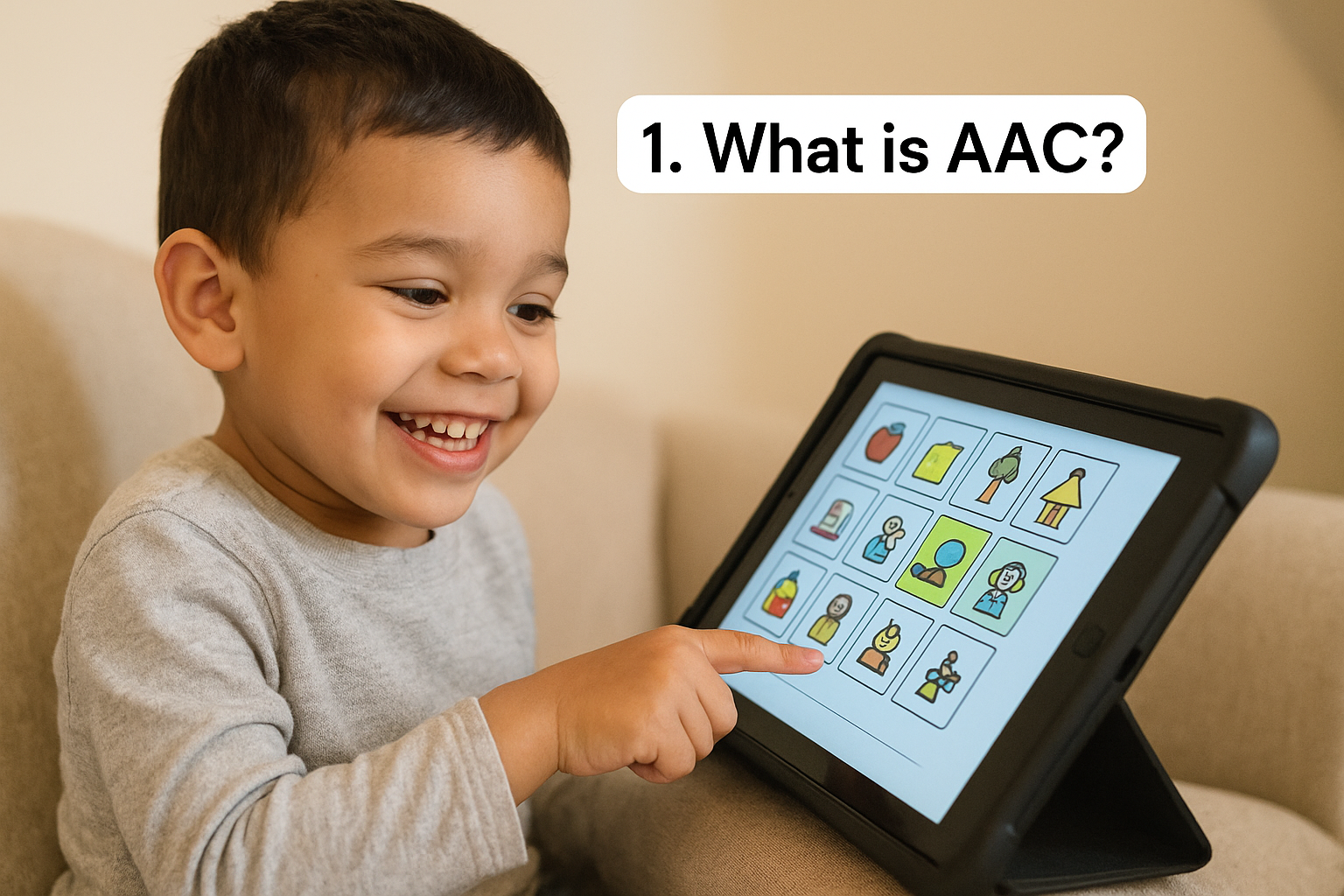
Using AAC for language development
AAC stands for Augmentative and Alternative Communication. It includes any tool, strategy, or system that supports a person’s ability to communicate when speech alone is not enough. This can range from simple methods, like gestures, pointing, or picture boards, to high-tech solutions such as tablet-based speech-generating devices. For children and individuals with Autism, AAC helps bridge the gap between what they understand and what they are able to express.

Tongue Thrust & Orofacial Myofunctional Disorders: What You Need to Know
What is tongue thrust? What are orofacial myofunctional disorders? Learn all about it here, and why its important to address in speech therapy.

Speech: Avoiding the Summer Slide
Children often regress in the skills they learn during the school year, and that include speech and communication. Here are some fun ideas for helping your children practice their speech during the summer time, or find a professional that can help during the interim.

Language Disorders
Language Disorders are discussed, and broken down between Expressive Language Disorders, Receptive Language Disorders, and Social/Pragmatic Language Disorders. Autistic children have difficulty with all three areas of language, to varying degrees. Parents are given advice as to how they can help build their child’s language skills at home.

Articulation & Phonological Disorders
What are Articulation and Phonological Disorders? What are the signs? How do I know what is ‘normal’ for my child?
This blog outlines differential diagnosis for kids who are delayed or “late-talkers,” when to go find a speech therapist, and how to help at home!